
Lemon cake is a vibrant dessert that balances citrus brightness with velvety sweetness. Crafted with butter, sugar, and fresh lemon juice, it delivers a moist crumb and refreshing flavor. This recipe avoids common pitfalls like dry texture and over-bittering to create a crowd-pleasing treat ideal for holidays, brunch, or casual indulgence.
Recipe Overview
| Prep Time | 15 mins |
|---|---|
| Cook Time | 32 mins |
| Total Time | 47 mins |
| Servings | 8-10 |
| Difficulty | Easy to Medium |
| Cuisine | American |
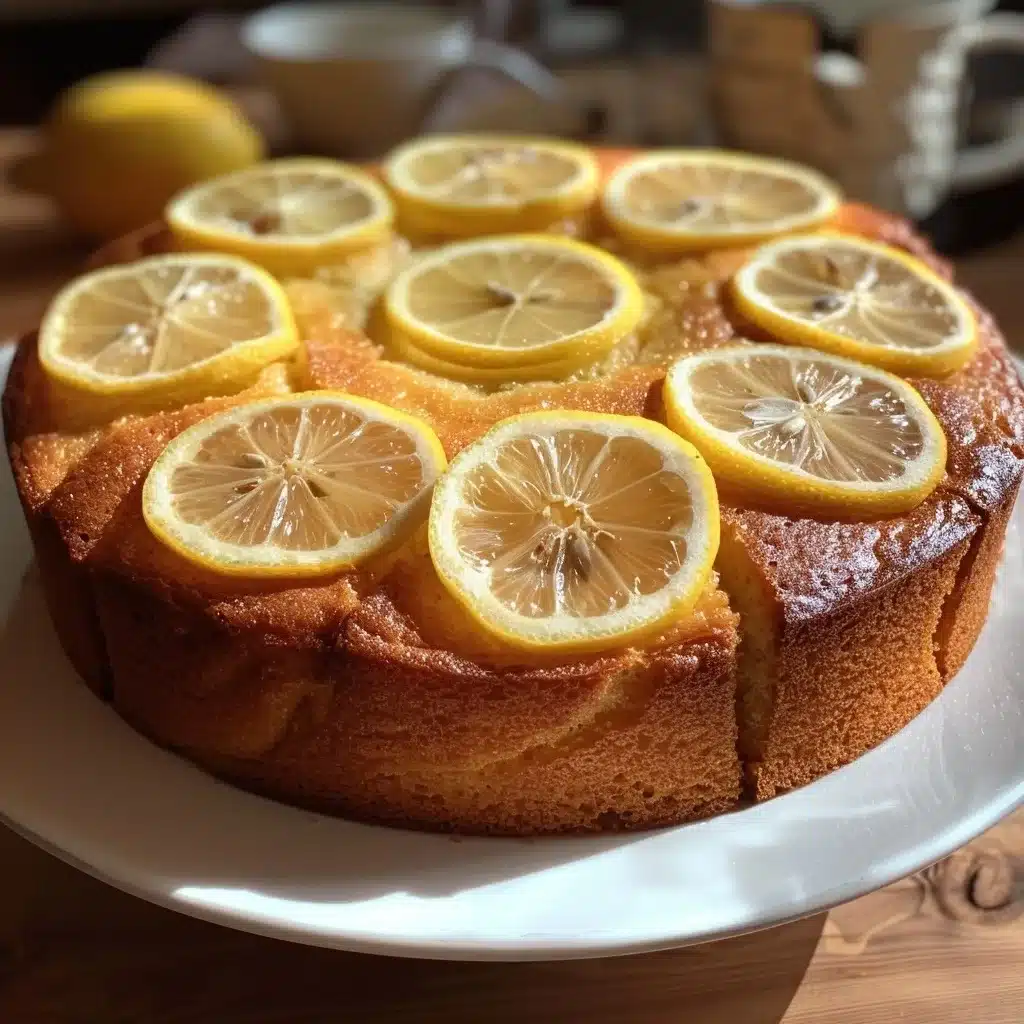
Why This Recipe Works
Lemon cake shines because it avoids overpowering sweetness while maintaining a tender crumb. The key lies in maximizing lemon flavor without bitterness. Freshly squeezed juice and micro-plane zest ensure aromatic depth. Unlike many citrus recipes that rely on heavy frosting to mask a dry cake, this method balances moisture from buttermilk and gentle baking temperatures for a perfectly textured result.
Chef Tips for Perfect Results
- Use room-temperature butter and eggs for smoother emulsification.
- Grate lemon zest directly into dry ingredients to preserve essential oils.
- Mix batter only until ingredients are just combined to avoid flour gluten over-development.
- Test doneness at 30 minutes by pressing gently – the cake should rise 1/2 inch from the pan edge.
Common Mistakes to Avoid
Over-mixing creates a heavy texture. Overlooked pan preparation leads to sticking. Inaccurate baking powder reduces lift. Under-baking causes sogginess.
To fix over-mixing, use the”pulse” method when combining dry and wet ingredients. Line pans with parchment and grease sides thoroughly. Measure baking soda/powder precisely and spoon into measuring cups. Add 3-4 minutes to baking time if using a darker oven pan.
Ingredients
| Ingredient | Quantity | Notes |
|---|---|---|
| Unsalted butter | 1 cup | Substitute vegetable oil for richer texture |
| Granulated sugar | 1 1/4 cups | Swap coconut sugar for lower glycemic index |
| All-purpose flour | 1 1/2 cups | Use almond flour for gluten-free version |
| Large eggs | 2 | Chill if using room-temperature alternative |
| Baking powder | 1 1/4 tsp | Replace with 1/4 tsp baking soda + 1 tsp lemon juice |
| Salt | 1/2 tsp | Omit for gluten-free flour blends or potassium-based salt |
| Buttermilk | 3/4 cup | Milk + 1 tbsp lemon juice is perfect substitution |
| Vanilla extract | 1 tsp | Use maple extract for alternative flavor profile |
Step-by-Step Instructions
Phase 1: Mixing the Base
- Cream butter and sugar until pale and airy.
- Blend in eggs one at a time, ensuring each fully integrates.
- Whisk flour, baking powder, and salt together in a separate bowl.
Phase 2: Incorporating Liquids
- Alternate adding flour mixture and buttermilk to butter base (start and end with flour).
- Stir in 6 tbsp freshly squeezed lemon juice.
- Gradually fold in micro-planed zest from 2 large lemons.
Phase 3: Baking and Frosting
- Pour into prepared pan. Tap pan to release bubbles.
- Bake at 350°F (175°C) until golden and toothpick-clean.
- Combine powdered sugar, lemon juice, and a pinch of salt for glaze during cooling, then drizzle.
Variations and Substitutions
| Ingredient | Substitution | Impact on Flavor |
|---|---|---|
| Buttermilk | Milk + lemon juice | Slightly more tangy without altering crumb |
| All-purpose flour | Almond flour | Increases density while offering nutty warmth |
| Granulated sugar | Honey | Creates darker color and more intense sweetness |
| Vanilla extract | Citrus zest | Enhances brightness but reduces sweetness complexity |
Serving Suggestions and Pairings
Serve this lemon cake chilled with a dollop of whipped cream at Easter brunch. The citrus flavor complements berry tarts or kiwi fruit salads. For casual gatherings, pair warm slices with strong black tea or cold springtime chai. At spring picnics, crumble into a bowl with yogurt and fresh mint leaves.
Storage and Reheating
| Method | Duration | Instructions |
|---|---|---|
| Room Temperature | 3 days | Airtight container, away from direct heat |
| Refrigerator | 5 days | Wrap in parchment before chilling |
| Freezer | 3 months | Wrap in two layers of foil or plastic wrap |
| Reheating | 45 seconds in toaster oven | Place on ungreased tray to restore crisp edges |
Nutritional Information
| Nutrient | Amount per Serving |
|---|---|
| Calories | 350 |
| Carbohydrates | 45g |
| Protein | 4g |
| Fat | 14g |
| Vitamin C | 25mg |
Approximate values. Adjust based on specific substitutions used.
Frequently Asked Questions
Can I make this lemon cake vegan?
Yes, substitute with melted coconut oil, flax eggs (1 tbsp ground flax + 2 1/2 tbsp water per egg), and almond milk blended with apple cider vinegar instead of buttermilk. The texture becomes denser but retains moisture.
How to know when lemon cake is baked?
Insert toothpick 1 inch from edge – it should come out clean with no wet batter. The cake should recede slightly from pan sides and spring back when gently pressed. For precise baking, rotate pan halfway for even browning.
What if my cake is too dry?
Adjust future batches by increasing liquid content by 2 tbsp. Over-oiling pan with butter or using parchment liners prevents moisture loss. Bake in water bath (see next FAQ) only if using glass/ceramic pans.
Can the batter be prepared ahead?
Chill batter 24 hours if well-greased pan is sealed. Do not freeze – cold batter loses leavening power. Bring to room temperature (1 hour) before baking to retain rise.
Is lemon juice in cake different from frosting?
Cake uses fresh juice for moisture and flavor baseline. Frosting relies on zest and concentrated juice for stronger citrus notes. Store-bought juice increases risk of bitterness; always strain pulp from homemade.
Conclusion
This lemon cake recipe prioritizes clean flavors and reliable technique. By highlighting fresh juice and zest while controlling moisture through quality substitutions, it remains a versatile option for celebrations or simple afternoons. Pair with warm tea and watch it disappear. Remember: balance defines great citrus desserts.

Lemon Cake: A Zesty, Moist Dessert with a Light and Tangy Twist
Ingredients
Method
- Preheat oven to 350°F (177°C) and prepare two 8-inch round pans with parchment paper and greased sides.
- In a large bowl, combine flour, sugar, baking powder, salt, and freshly microplaned lemon zest.
- In a separate bowl, mix melted butter, eggs, buttermilk, vanilla, and 2 tbsp fresh lemon juice until smooth.
- Gradually fold wet ingredients into dry ingredients until just combined (avoid overmixing).
- Pour batter into prepared pans and bake for 32 minutes, or until the cakes rise 1/2 inch from the pan edge when gently pressed.
- Cool completely before dusting with sugar if desired.
Nutrition
Notes
Grate lemon zest directly into dry ingredients to preserve oils.
Mix batter only until just combined to avoid over-mixing.
Test for doneness starting at 30 minutes by gently pressing; cake should rise 1/2 inch.
To avoid sticking, line pans with parchment and grease thoroughly.
For substitutions, use vegetable oil for butter, coconut sugar for granulated, almond flour for all-purpose, and milk + 1 tbsp lemon juice for buttermilk if needed.
Store in an airtight container at room temperature for up to 3 days.