
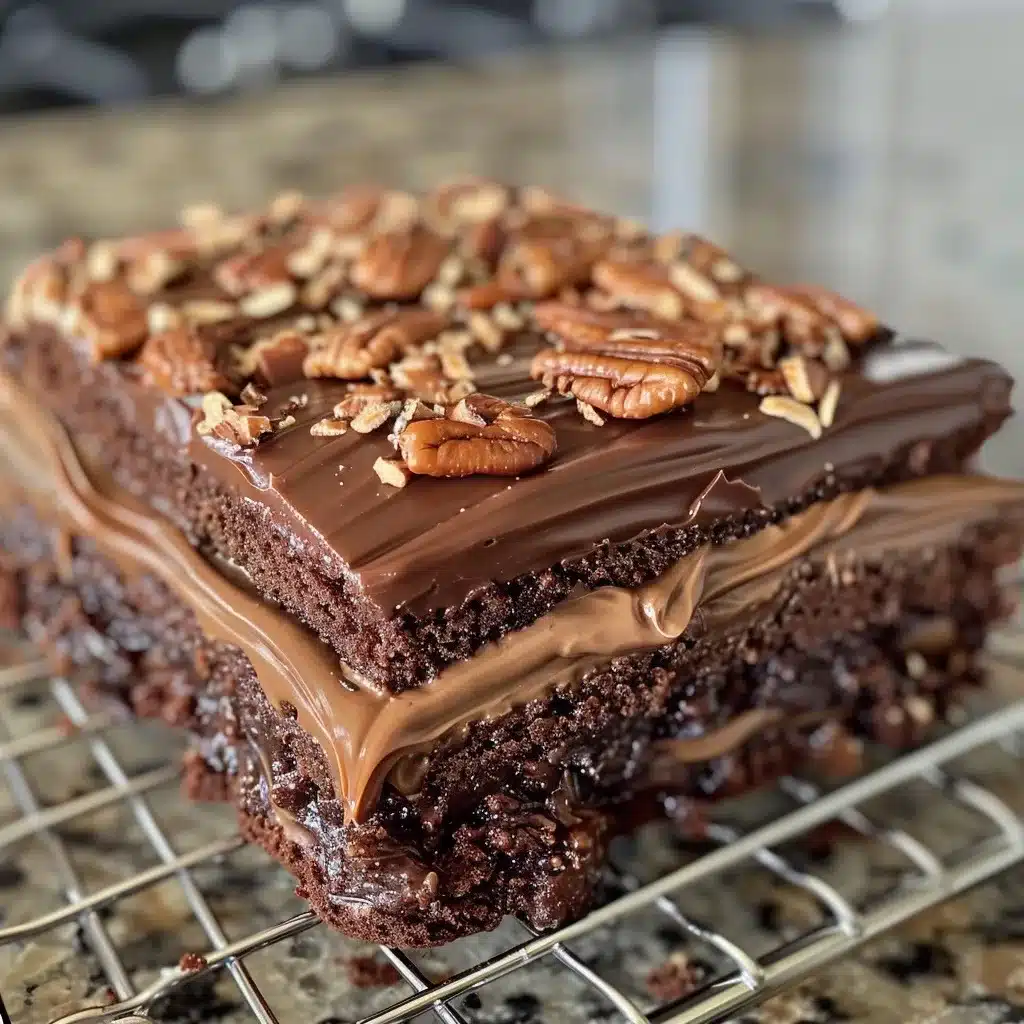
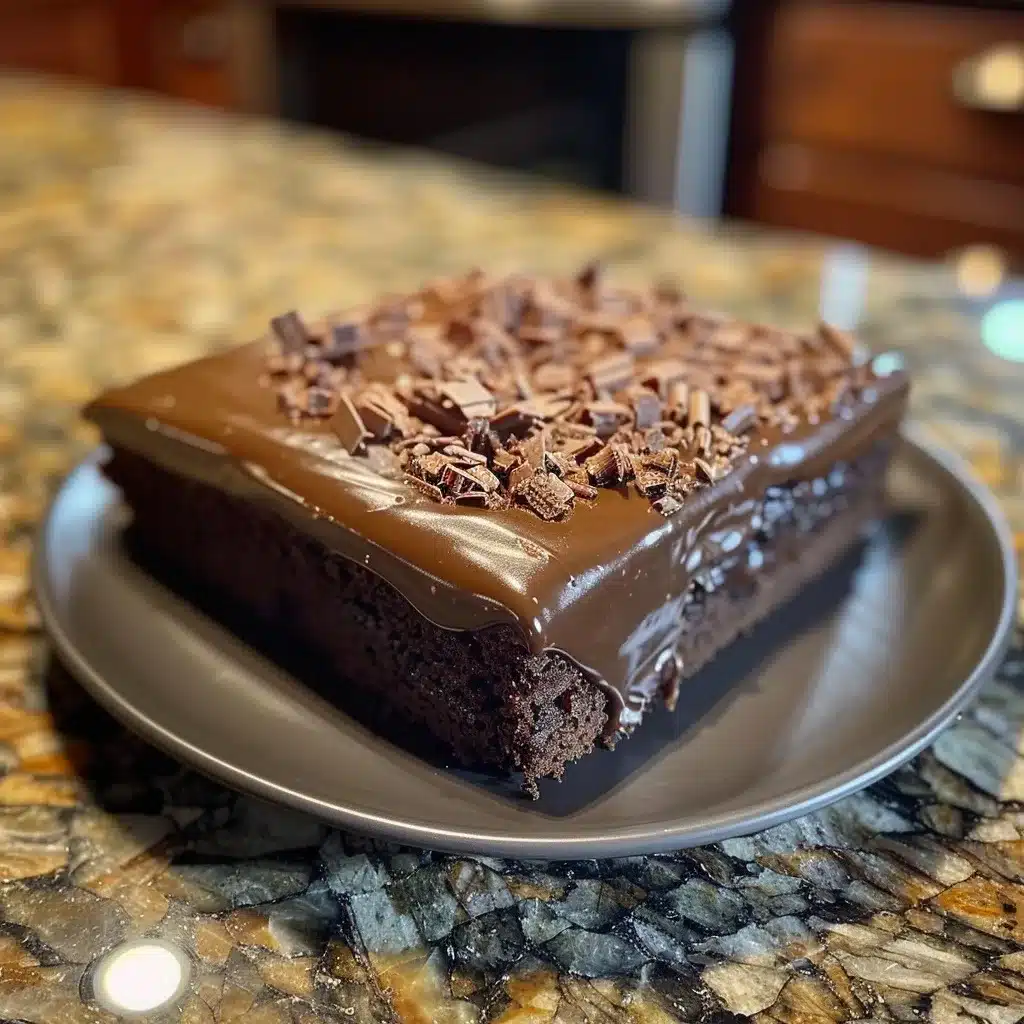
Texas Sheet Cake is a dense, single-layer dessert with a thick, creamy butterscotch or caramel frosting and crunchy sprinkles. This iconic Texas recipe uses minimal ingredients for maximum flavor, delivering a buttery, fudgy texture that holds together perfectly when sliced. Ideal for feeding large crowds without fuss, its nostalgic appeal stems from straightforward preparation and rich, indulgent taste.
Why This Recipe Works
The magic of Texas Sheet Cake lies in its butter- and corn syrup-based frosting, which cures at room temperature, becoming denser and sweeter. The base is a no-frills yellow cake that provides structure while allowing the frosting to shine. I first tried it at a neighbor’s potluck: the caramelized sugars in the frosting created a smooth, sticky finish that complemented the soft cake layers.
Contrary to popular belief, the cake isn’t overly sweet because the frosting balances its richness with a subtle butterscotch bite. The recipe thrives on technique, like chilling the cake before frosting, to enhance texture and flavor. Every bite tastes like melted butterscotch, thanks to the slow caramelization during baking.
Ingredients
| Ingredient | Quantity | Notes |
|---|---|---|
| Butter, softened | 2 cups (440g) | Prefer unsalted for precise control. Substitute unsweetened coconut oil for dairy-free. |
| Caster sugar | 3 cups (360g) | Use granulated sugar if unavailable. Add 10% more coconut sugar for smokiness. |
| Eggs | 10 large | Room temperature ensures even mixing. Substitute flax eggs (2 tbsp ground flax + 5 tbsp water) for vegan. |
| All-purpose flour | 3½ cups (425g) | Spoon into dry measuring cups. Use gluten-free flour blend for dietary needs. |
| Baking powder | 2 tsp | Dust flour before sifting to avoid clumps. |
| Milk | 2 cups (480ml) | Use oat, almond, or coconut milk for plant-based. |
| Vanilla extract | 1½ tsp | Add peppermint or caramel extract for seasonal twists. |
| Salt | 1¼ tsp | Enhances butterscotch flavor. Use sea salt flakes for texture. |
| Frosting Ingredients | See below | Adjust butter ratios if substituting coconut oil. |
| Sprinkles | 2 cups (optional) | Use crushed nuts, jimmies, or crushed cookies as alternatives. |
Step-by-Step Instructions
Prep: Preheat oven to 350°F (175°C). Grease and flour two 18×26-inch baking sheets with parchment liners.
Cake Base: In a stand mixer, cream butter and sugar on medium-high speed. Add eggs one at a time, ensuring complete emulsification after each.
Mix Dry Ingredients
Whisk flour, baking powder, and salt in a bowl.
Blend Wet Ingredients
In a separate bowl, whisk milk, vanilla extract.
Combine Batters
Alternate adding dry ingredients and wet to the butter mixture, beginning and ending with dry.
Bake and Cool
Spread batter in pans and bake 30–35 minutes. Cool completely (2 hours) before frosting.
Frosting: In saucepan, stir brown sugar, butter, Karo syrup, and heavy cream. Simmer gently until thickened. Whisk in confectioners’ sugar until smooth. Refrigerate 1 hour before spreading.
Prepare Frosting Base
Cook brown sugar, butter, and Karo syrup over low heat.
Thicken Frosting
Add cream gradually; stir until mixture coats a spoon.
Chill and Frost
Cool frosting to spreadable consistency before layering two times on cake.
Decorate
Sprinkle with festive toppings; cure at room temperature for 3 hours.
Chef Tips for Perfect Results
Pre-chill cake pans 30 minutes before pouring batter, this prevents excessive spreading
Use a digital thermometer: frosting is ready at 234°F (112°C) when bubbles stop rising
Line pans with parchment for effortless release and uniform slices
Stir frosting every 10 minutes during refrigeration to maintain silky texture
Add ½ tsp cayenne to the cake for subtle heat that balances sweetness
Common Mistakes to Avoid
Overmixing batter, Activates gluten, creating dense cake. Mix just until combined
Uneven pan size, Use identical sheets for symmetrical layers; transfer to oven carefully
Adding cream too quickly, Gradually whisk to prevent curdling the sugar/butter mixture
Skipping parchment liners, Cake sticks to pans, damaging presentation
Variations and Substitutions
| Ingredient | Substitution | Impact on Flavor |
|---|---|---|
| Heavy cream | Coconut cream | Lactose-free; adds slight coconut flavor |
| Karo syrup | Golden syrup | British substitute; maintains caramel texture |
| Vanilla extract | Tahini | Nutty addition; enhances depth for autumn |
| Sprinkles | Crushed peppermint candies | Crackle sound when slicing adds theatrical appeal |
Serving Suggestions and Pairings
Pair Texas Sheet Cake with black coffee to cut sweetness. It’s ideal for 4th of July barbecues or family holidays, its non-refrigerated storage makes it practical for warm-weather events. For contrast, serve with tart lemon sorbet. Cut thick 2-inch slices to maintain frosting integrity.
Storage and Reheating
| Method | Duration | Instructions |
|---|---|---|
| Covered with plastic wrap | 3–5 days | Store at room temperature; frost after reheating if needed |
| Airtight container | 3 months | Freeze layers unfrosted; thaw 24 hours for best texture |
| Refrigerated frosting | 10 minutes | Warm slices briefly at 300°F (150°C) if frosting hardens |
Nutritional Information
| Nutrient | Amount per Serving |
|---|---|
| Calories | 450 |
| Carbohydrates | 55g |
| Protein | 5g |
| Fat | 20g |
| Saturated Fat | 12g |
| Polyunsaturated Fat | 2g |
| Monounsaturated Fat | 5g |
| Trans Fat | 0g |
| Cholesterol | 170mg |
| Sodium | 80mg |
| Approximate values |
Frequently Asked Questions
Can I use margarine instead of butter?
Margarine works in frosting and cake but alters fat content by 30%. For exact texture, use European-style butter with 82% fat. Non-dairy spreads may separate during simmering.
How do I test for doneness accurately?
Insert toothpick into center, frosting may appear uncooked but sets when cooled. Avoid opening oven during first 20 minutes; check after 30 minutes for golden-brown edges.
Why is my frosting lumpy after refrigeration?
Lumps occur if sugar dissolves incompletely. Stir constantly over medium heat. Dissolve lumps by running spatula over a fine mesh sieve when re-frosting. Add a tsp of almond extract to mask texture imperfections if needed.
Can I make this ahead of time without losing quality?
Prepare cake layers 1 day before; frost the morning of serving. Frosting gains depth while curing. For 3+ days’ storage, freeze unfrosted layers in airtight containers, thaw 8–10 hours before assembly.
What tools do I need for professional results?
Use a digital food thermometer for frosting accuracy. Invest in 36×26-inch cake boards for serving 30+ guests. An offset spatula ensures smooth frosting layers. Avoid handheld mixers for dense batters; use stand mixers for even texture.
Conclusion
Texas Sheet Cake combines simple ingredients with Southern tradition to deliver bold, comforting sweetness. Its forgiving nature makes it ideal for both novice and experienced bakers. Mastering the caramelized frosting technique unlocks endless variations. This cake’s warm, buttery aroma in every bite proves why it remains a staple across Texas communities. Share the joy with neighbors or guests, you’re guaranteed compliments on flavor that persists hours after serving.
Texas Sheet Cake: Buttery, Simple, and Perfectly Sweet
Ingredients
Method
- Preheat oven to 350°F (175°C)
- Grease and flour two 18×26-inch baking sheets with parchment liners
- In a stand mixer, cream butter and caster sugar on medium-high speed
- Add eggs one at a time, ensuring complete emulsification after each
- Whisk flour, baking powder, and salt in a separate bowl until smooth
- Alternate adding dry ingredients to the mixer (in 3 additions) with 1½ cups milk, mixing on low until just combined
- Pour batter into prepared sheets and bake for 25–30 minutes, until toothpick inserted comes out clean
- Cool cake completely, then chill for 1 hour
- For the frosting, combine corn syrup and 1 cup softened butter in a saucepan, melt over medium heat until smooth
- Cool slightly, then mix in powdered sugar, remaining vanilla extract, and a pinch of salt until thickened
- Spread frosting over chilled cake and sprinkle with optional toppings
- Chill 30 minutes before slicing into 24 pieces
Nutrition
Notes
Substitute coconut oil for butter (1:1 ratio) in both cake and frosting
Granulated sugar works as an alternative to caster
Add 10% extra coconut sugar to the cake for a smoky twist
Chill ensures frosting adheres properly
Sea salt flakes or crushed almonds can replace sprinkles
Adjust powdered sugar quantity in frosting for desired thickness